
Africa: The Emerging Global Epicenter Of Terrorism – Analysis
Introduction:
Africa is emerging as the epicenter of global terrorism. The US combatant command in Africa AFRICOM directed by President Donald J. Trump targeted the terrorist entities that kill, maim, injure and intimidate Africans. Although there is no continental strategy to prevent the rise of terrorism in Africa, US AFRICOM work with partner nations to fight the imminent threat.
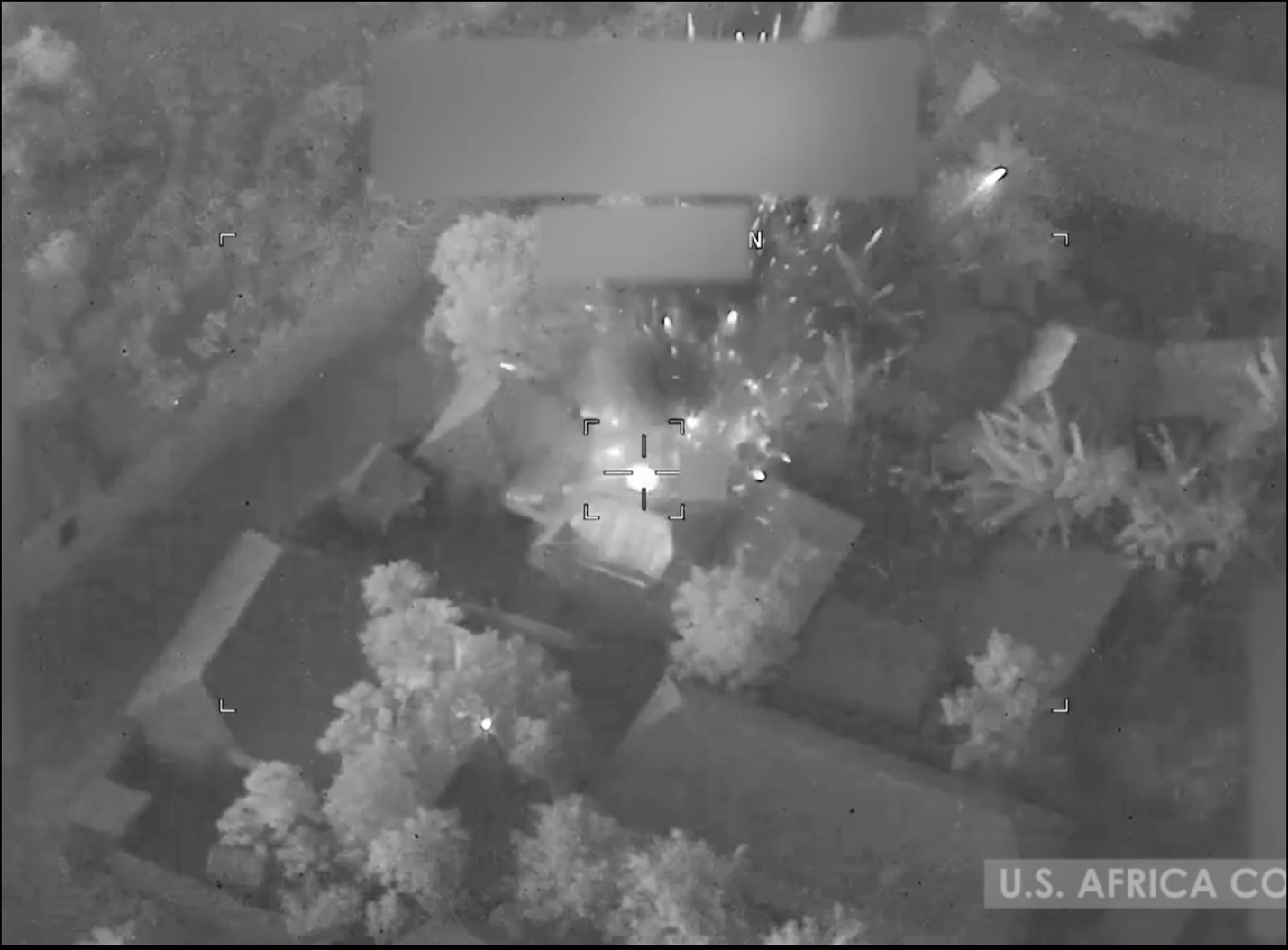
Nigeria’s Foreign Ministry says US airstrikes hit terror targets in the country’s northwest on Christmas Day 2025 adding that Nigeria continues to maintain security cooperation with Washington D.C. (1) President Trump said that the US launched a “powerful and deadly strike” against the Islamic State (IS) group in north-western Nigeria.
Describing the Islamic State as ” terrorist scum”, the US President accused the group of “targeting and viciously killing, primarily, innocent Christians”. While President Trump said the US military “executed numerous perfect strikes”, AFRICOM carried out an operation in co-ordination with Nigeria in the Sokoto state. “Under my leadership, our Country will not allow Radical Islamic Terrorism to prosper,” the president wrote adding, “May God Bless our Military, and MERRY CHRISTMAS to all, including the dead Terrorists, of which there will be many more if their slaughter of Christians continues.”
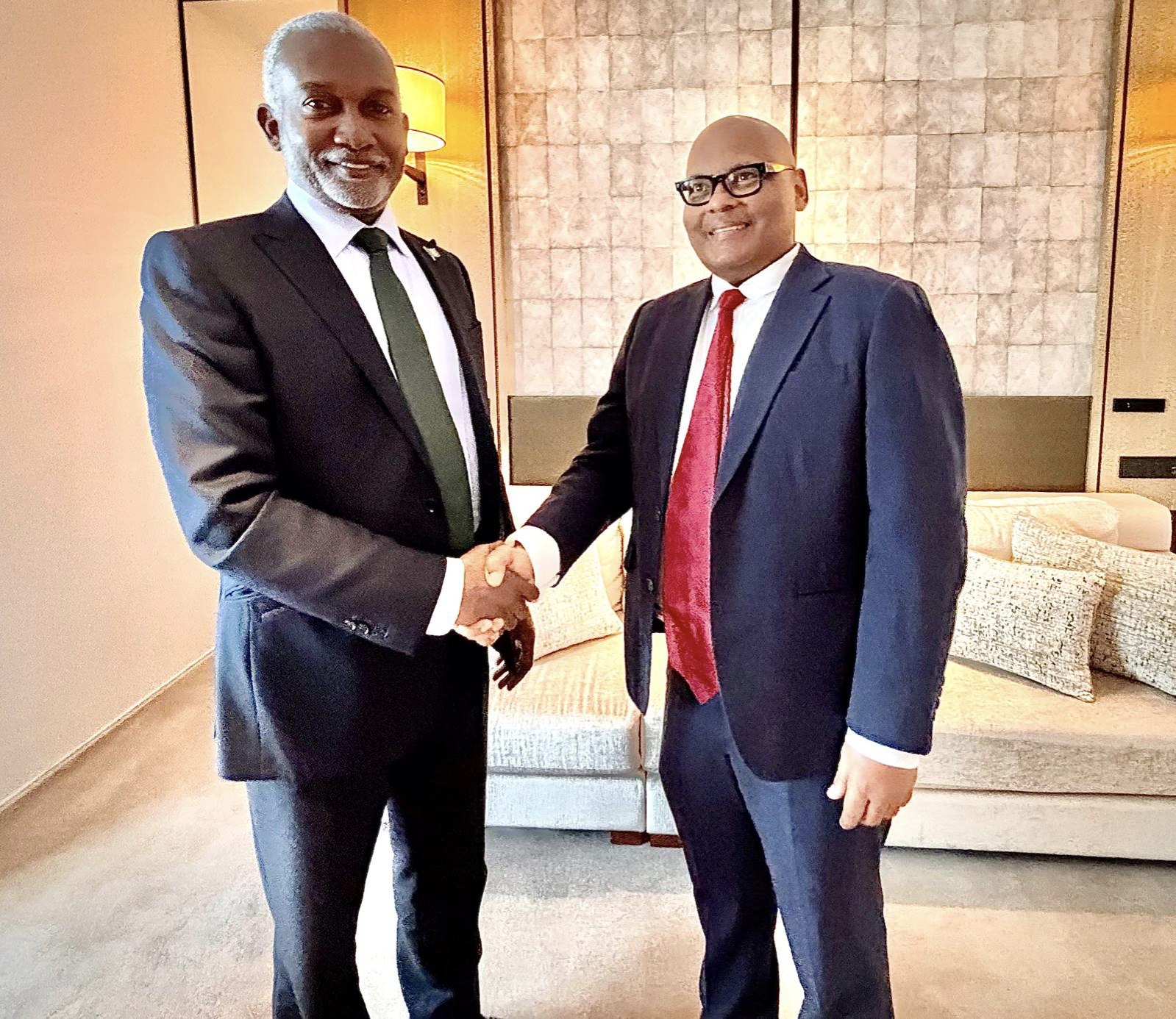
Nigerian Foreign Minister Yusuf Maitama Tuggar told the BBC it was a “joint operation” targeting “terrorists”, and it “has nothing to do with a particular religion”. (2) Minister Tuggar did not rule out further strikes, saying this depended on “decisions to be taken by the leadership of the two countries”. Minister Tuggar and I met to discuss the rising threat in Africa. I urged Nigeria to develop national, regional and continental strategies to prevent and preempt Africa’s descent to crisis and chaos.
The Context
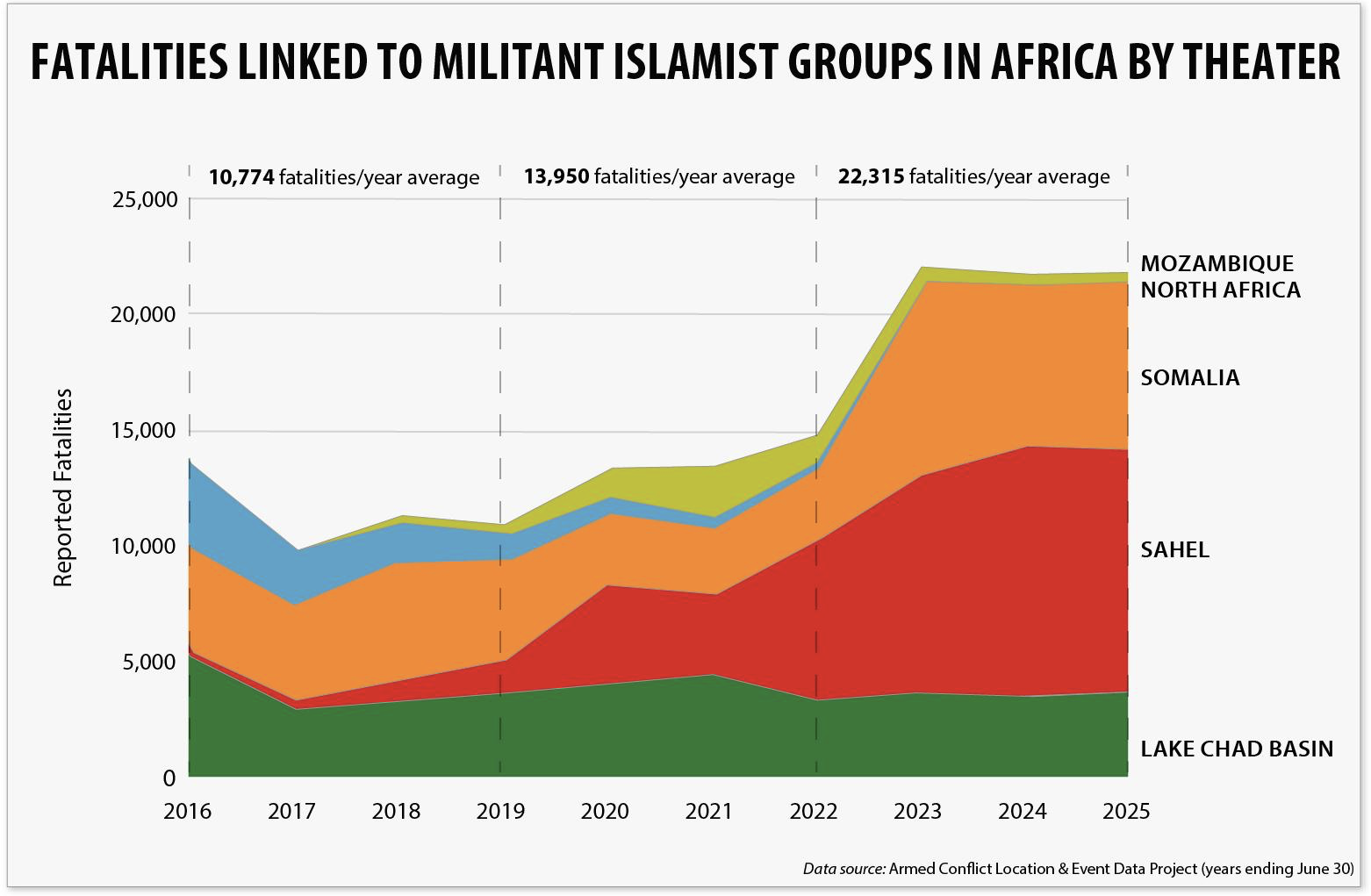
Key findings from the Global Terrorism Index 2025 report identify the Sahel region as terrorism’s epicenter, accounting for over half of all global terrorism deaths. (3) The latest issue of the Islamic State’s Al-Naba weekly has published a semi-annual infographic for 1447 AH, indicating that 80% of the attacks occurred in Africa. This was followed by around 17% in the Levant and Iraq combined. Afghanistan and Pakistan together accounted for 2% of the total, with nine attacks attributed to Islamic State Khorasan Province (ISKP) across Afghanistan and Pakistan, and three attacks claimed by Islamic State Pakistan Province (ISPP), all within Pakistan. Islamic State and Al Qaeda affiliates in Africa remain the deadliest terrorist organizations in 2025 and most likely in 2026.
Christians and Muslims peacefully coexist in most parts of Africa. However, Sufism and other local and traditional forms of Islam that gave harmony for centuries in Africa is being replaced by the ideologies of Salafi-Wahhabism and Muslim Brotherhood. Most Middle Eastern countries including the Kingdom of Saudi Arabia, Egypt, Jordan, UAE have dismantled the Salafi Wahhabi and Muslim Brotherhood infrastructure on their soil. Other countries are struggling to fight hate preachers and their mosques and madrasas. A few countries play politics by promoting hateful ideologies.
The affiliates of Islamic State and Al Qaeda have taken root on African soil. These architects are fueled by Salafi Wahhabi and Muslim Brotherhood ideologies. Although these ideologies are rejected by most countries worldwide, Africans are vulnerable to radicalization. They linger, flourish, and thrive both in the physical and online spaces. African leaders need assistance to develop the vision and capacity to detect, disrupt and dismantle these threats. Otherwise, the rising twin threats of Salafi-Wahhabism and Muslim Brotherhood and their manifestations in the form of terror cells, networks and groups will replace the continent’s African heritage.
More than ever before African governments need the support of the international community to fight back. To manage and mitigate the threat effectively, African nations should target both the ideologies and the operational capabilities of the threat actors. Otherwise, exclusivism, extremism, violence and terrorism will threaten Africa’s economic prosperity, political stability and social harmony in the immediate (1-2 years), mid (2-5 years) and long term (5-10 years).
Background:
The ideologies of Muslim Brotherhood al foundation of the contemporary waves of terrorism. Salafi Wahhabism and the Muslim Brotherhood present a multifaceted threat in Africa. In addition to promoting exclusivist and extremist ideologies and political instability, they directly inspire and support Islamist and jihadist groups. While Islamist groups are driven by political Islam and jihadist groups have embraced the concept of jihad. The nature of the threat varies by region and internal divisions within these movements. They threaten mainstream Muslims by labelling them apostates and non-Muslims as infidels.
Both Al Qaeda and the Islamic State including their affiliates in Africa are driven by politico-religious ideologies. Salafism which often overlaps with Wahhabism, a stricter interpretation originating in Saudi Arabia seeks to return to the practices of the earliest generations of Islam. After Mohamed bin Salman was appointed the Crown Prince and Prime Minister of the Kingdom of Saudi Arabia, he has addressed the threat in his country. However, preceding his leadership, the threat of Salafi Wahhabism spread worldwide creating instability and insecurity in many parts of the world. Similarly, Field Marshal Abdel Fattah el-Sisi, the President of Egypt has addressed the threat of Muslim Brotherhood in Egypt but it has spread worldwide.
The genesis of the threat can be traced back to breakaway groups of the Muslim Brotherhood. Both Al Gama Al Islamiyah and Al Jihad Al Islamiyah joined Al Qaeda. Before Al Qaeda established training camps in Afghanistan, Osama bin Laden established training camps in the Soba and Al-Damazin farms in Sudan. From April 1991-May 1996, bin Laden was a guest of the Muslim Brotherhood leader Hasan Turaibi. Muslim Brotherhood (Ikhwanul Muslimin) leadership formed the National Islamic Front that formed an alliance with the military then led by General Omar Bashir. Under their patronage, Bin Laden provided training to Islamists from Algeria, Libya, Morocco, Tunisia, Egypt, Somalia and others to fight their secular government. When those men trained returned to their homelands, they were sufficiently indoctrinated to fight to establish Sharia. Osama bin Laden formed the World Islamic Front for Jihad Against the Jews and Crusaders 1996 legitimizing attacks against U.S., its allies and friends. In the lead up to Al Qaeda’s attacks against US embassies in Kenya and Tanzania in 1998, Bin Laden expanded its footprint in Africa.
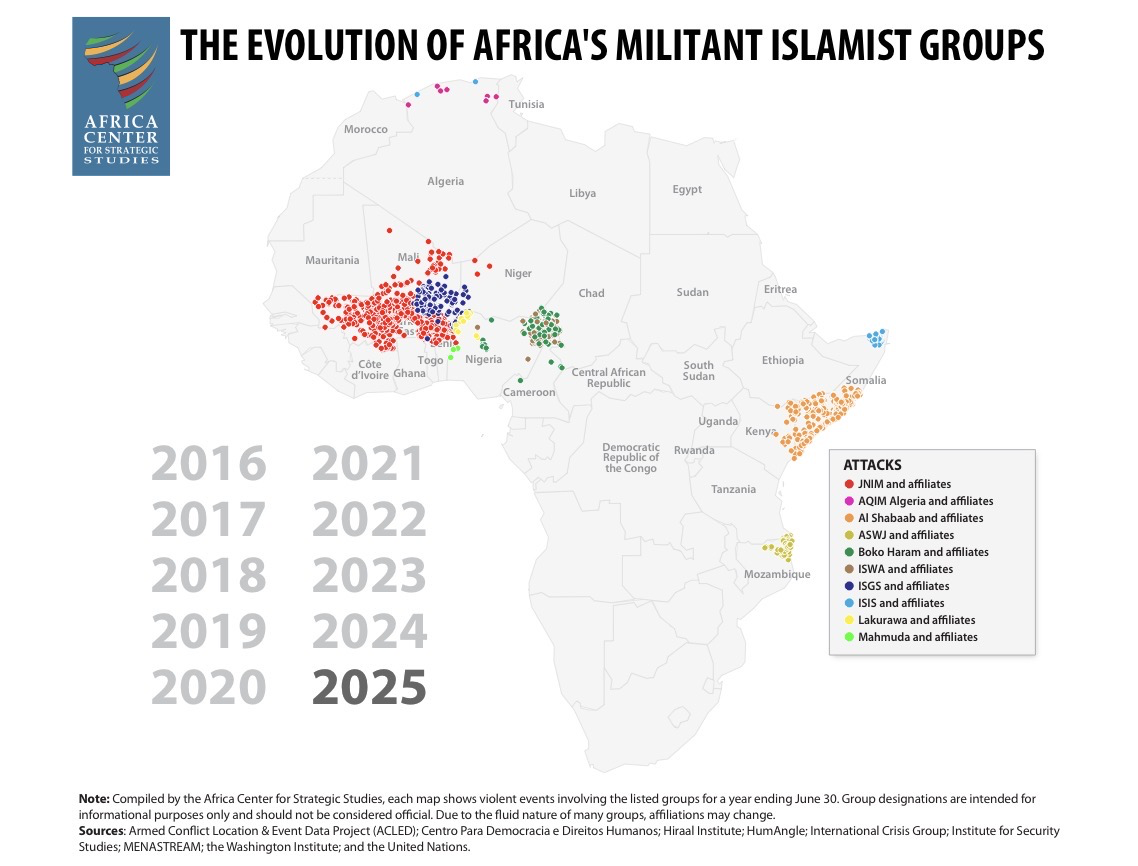
In the 1990s, 2000s and 2010s, the footprint grew in the Maghreb or North Africa and in the Horn or East Africa. From North Africa, the threat grew to West Africa and from East Africa to the center and further south in the 2020s. The center of gravity of the threat is in the Sahel. In Mali where both Al Qaeda and Islamic State has made significant gains. The military government of Mali has aligned itself with Russia. Despite support from Russia’s African Corps, the successor to the Wagner group, Jamaat Nusrat Al-Islam wal Muslimeen (JNIM), an Al Qaeda coalition has laid siege of Mali’s capital Bamako. From Mali, the threat groups are threatening neighboring countries, notably, Nigeria, Niger, Chad, Mauritania, Burkina Faso, and other immediate and distant neighbors.
Recent Developments:
On Christmas Eve 2025, Nigeria suffered attacks in Maiduguri in Bono State where an explosion ripped through a mosque in the Gamboru market killing seven and injuring 35 worshippers on Dec 24, 2025. Nigeria has repeated suffered attacks by Boko Haram and its offshoot Islamic State West Africa Province (ISWAP). These groups target mosques and crowded places in the area with suicide attacks and improvised explosive devices. (4) During this festive period there were other attacks in Africa by Islamic State and Al Qaeda aligned groups that also continue to hold civilian and military hostages.
At the direction of the President of the United States and the Secretary of War, and in coordination with Nigerian authorities, U.S. AFRICOM conducted strikes against Islamic State in Nigeria on Dec. 25, 2025, in Sokoto State. The command’s initial assessment is that multiple Islamic State terrorists were killed in the Islamic State camps.
“U.S. Africa Command is working with Nigerian and regional partners to increase counterterrorism cooperation efforts related to on-going violence and threats against innocent lives,” said Gen. Dagvin Anderson, commander, U.S. Africa Command. (5) “Our goal is to protect Americans and to disrupt violent extremist organizations wherever they are” said General Anderson adding that the “U.S. Africa Command will continue to assess the results of the operation..” (6)
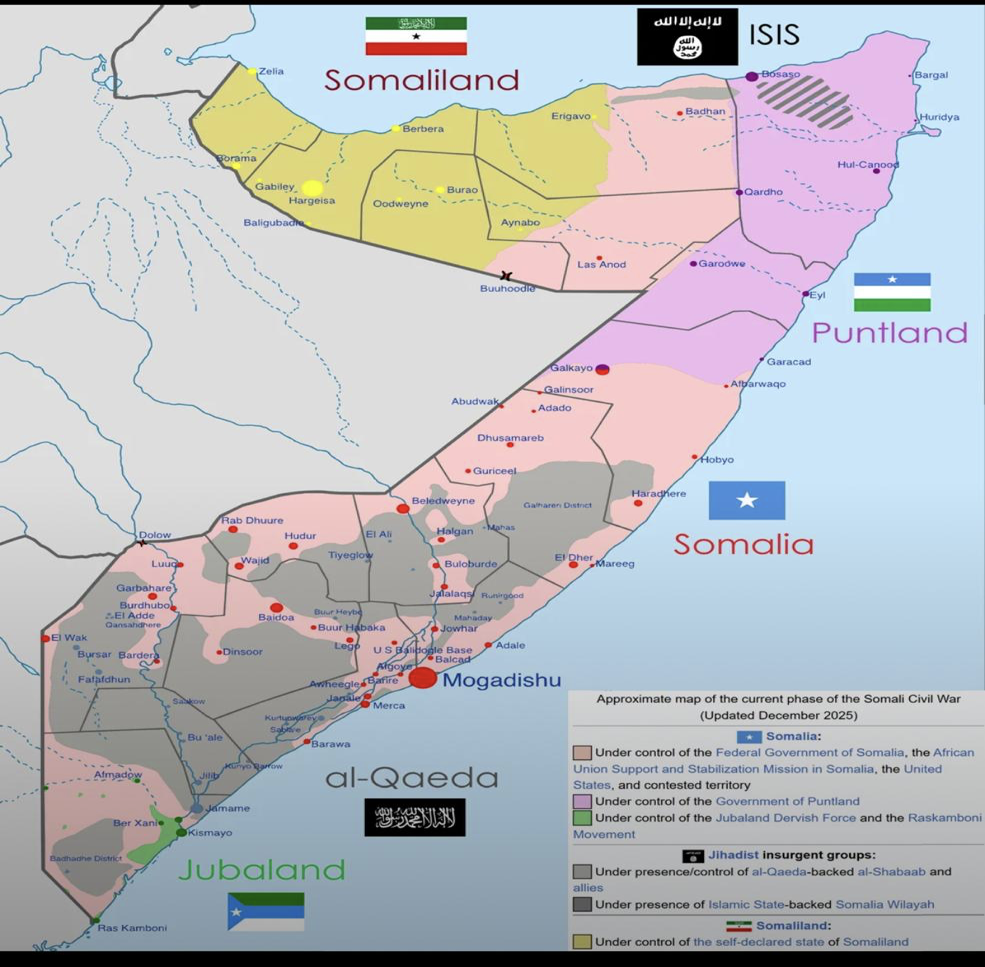
AFRICOM also mounted operations elsewhere notably in Eastern Africa. In coordination with the Federal Government of Somalia, AFRICOM conducted an airstrike targeting Islamic State-Somalia on Dec. 23, 2025. “The airstrikes occurred in the vicinity of the Golis Mountains, approximately 90 km southeast of Bossaso, stated AFRICOM adding that alongside the Somali Armed Forces, it continues to take action to degrade IS-Somalia’s “ability to threaten the U.S. Homeland, our forces, and our citizens abroad.” (7) On Dec. 22, 2025, US mounted airstrikes against IS-Somalia in the vicinity of the Golis Mountains, 88 km southeast of Bossaso. (8) On Dec. 17, 2025, US mounted airstrike in the vicinity of Araare, Somalia, 50 km northeast of Kismayo targeting al Shabaab, an Al Qaeda aligned group.
The Operational Threat:
The evolving security posture of Africa is shaped by the threat posed by two principal entities: Al Qaeda and the Islamic State. An infographic in an-Naba 527 tallying Islamic State’s operations and resulting “enemy casualties in six months”demonstrates the current and future threat. According to the data presented in the latest issue of the digital weekly, published on December 25, 2025, between the first six months of the Islamic calendar, June 26 through December 20, 2025, the group carried out 584 attacks and killed and wounded 2,519 people, most of whom it identified as “disbelievers and apostates.” While West Africa Province, encompassing Nigeria, Niger, Chad, and Cameroon, account for the largest number of operations (161), Central Africa Province, representing the Democratic Republic of the Congo (DRC) and Uganda, inflicted the highest amount of casualties (738).
Following is a translation of the infographic:
Harvest of the Soldiers for the First Half of the Year 1447
2519 Killed and Wounded
21 Rafidha (Shi’ite)
973 Crusaders (Christians)
1525 Disbelievers and Apostates
32 Officers and Commanders (of government)
———
584 Attacks
203 Assaults and Clashes
68 Bombings
46 Ambushes
3 Martyrdom-Seeking (suicide) and Commando (no surrender attacks)
22 Assassinations
215 Others
———
146 Vehicles Destroyed and Disabled
112 Four-Wheel Drive
14 Armored
20 Others
———
Burned
1917 Houses
46 Military Positions
21 Churches
———
32 Vehicles Seized
———
West Africa
Number of Operations: 161
Killed and Wounded: 407
Sham (Syria)
Number of Operations: 88
Killed and Wounded: 142
Iraq
Number of Operations: 11
Killed and Wounded: 31
Central Africa
Number of Operations: 121
Killed and Wounded: 738
Somalia
Number of Operations: 42
Killed and Wounded: 573
Khorasan (Central Asia and Afghanistan)
Number of Operations: 9
Killed and Wounded: 35
Mozambique
Number of Operations: 114
Killed and Wounded: 215
Sahel
Number of Operations: 26
Killed and Wounded: 311
Pakistan
Number of Operations: 3
Killed and Wounded: 67
In the editorial for an-Naba 527 published by the Islamic State on December 25, 2025, said, “So, O believers, crush the skulls of the cross-worshippers, for they have no protection in this age, except for those in some villages of Congo and Mozambique who have agreed to pay the jizya in willing submission. As for the rest, their blood is forfeit, from Ube to Bondi, and from Europe to Australia, fair-skinned and dark-skinned, Christians and Jews.”
The Ideological Threat:
The threat in Africa is primarily ideological and operational. The threat is often linked to external funding from Gulf states that establishes schools, mosques, and charities, thereby spreading a more conservative form of Islam that supplants traditional, often Sufi-influenced, local practices.
Ideological backing of terrorist and insurgent groups is on the ascent. Although mainstream Salafism is largely apolitical and rejects violence, it is nonetheless a threat. Known as “quietist Salafism”, mainstream Salafism is a steppingstone towards Salafi Jihadism, a fringe element. Salafi Jihadism is the ideology to justify violence against perceived “apostate” regimes and non-believers. Groups like Al-Shabaab in Somalia, Boko Haram in Nigeria and JNIM in Mali have adopted Salafi jihadism, making them major threats to regional stability.
Social cohesion is challenged by the imposition of a strict interpretation of Sharia. Islamic law has created internal conflicts and social tension, as seen in Nigeria and elsewhere where different penal codes for Muslims and non-Muslims have caused friction.
The rise of influential Salafi movements has created political destabilization and complicate governance. Religion and politics must be kept apart. In Libya, the Madkhali-Salafi current has emerged as a powerful, armed force whose anti-democratic agenda and ideological clashes with political Islamists create significant divisions and hinder conflict resolution efforts.
Like Salafi-Wahhabism emerged in Saudi Arabia, Muslim Brotherhood is a transnational Islamic movement that originated in Egypt. The Muslim Brotherhood seeks to integrate Islam into all aspects of social and political life. Its perceived threat stems from its goal of political power, which challenges existing secular or monarchical governments. The Brotherhood’s pursuit of political power is seen as a direct challenge to the authoritarian regimes in some African nations and the Gulf states. As Political Islam is a threat to governance, many governments have designated it a terrorist organization). Its brief rise to power in Egypt after the 2011 revolution alarmed many neighboring countries.
Although the Brotherhood officially renounced violence in the 1970s, one of its prominent thinkers, Sayyid Qutb, developed doctrines that have inspired violent groups like Al Qaeda and the Islamic State. The ideologies of these violent offshoots have fueled militancy in Africa’s Sahel region and elsewhere.
The transnational networking of these entities present a cross-border threat. The movement’s ability to recruit members and elites from African countries and establish global networks makes it an adaptive force capable of influencing local dynamics and posing a long-term challenge to national and international security. While both movements pose threats, Salafi threats often manifest through violent jihadist offshoots or social friction caused by puritanical interpretations of Islam, whereas the Muslim Brotherhood’s threat is often perceived in its pursuit of political power and governance that challenges the status quo.
Like a cancer, the threat of these divisive ideologies has spread out from the Middle East to countries in multiple directions. First, western cities from Canada to Europe and Australia, where the freedom of expression has become the freedom of hate, Muslims in enclaves march and protest openly pledging support to Islamic State, Al Qaeda and likeminded groups. Second, in Asia, countries like Pakistan, Bangladesh, Sri Lanka, Maldives and Nepal in South Asia and Malaysia and Indonesia in Southeast Asia, have established organisations that politicise and radicalise fellow Muslims. Third, in Africa, the threat has spread across the continent affecting its north, south, east, west and the centre. These three regions suffer from intermittent attacks.
State and Societal Response:
To stem the tide of religious exclusivism, extremism, violence and terrorism, government and community partners need to develop and implement continental, regional and national strategies. The intergovernmental organisations can provide concepts and strategies for educating and training to prevent and counter the threat. Rather than wallow in the periphery, the African leaders should respond decisively. First, develop legislation and capabilities to blacklist domestic and foreign hate preachers and their financiers, second, ban text books and online sites promoting distorted concepts like Al Wala Wal Bara (loyalty to believers and hatred to non believers), and third, work with and establish religious and educational institutions to build Christian-Muslim dialogue and understanding.
To disrupt and dismantle Islamic State and Al Qaeda rule of Africa, the governments should build highly capable military forces to recover the territories of Mali and Somalia that are no longer under the control of their own governments. Otherwise, the very same way, the Afghan Taliban established a government in Kabul and Hay’at Tahrir al-Sham established a government in Damascus, Al Qaeda and Islamic State will rule parts of Africa in 2026 and in the years to follow.
Conclusion:
In Western capitals, the story of a genocide of Christians in Africa is gaining traction. (9) In response to President Trump’s concerns, the Presidency of Nigeria responded that the security challenges his country is facing is not a war of religion and added,
“Portraying Nigeria’s security challenges as a targeted campaign against a single religious group is a gross misrepresentation of reality.” (10) “Terrorists attack all who reject their murderous ideology—Muslims, Christians, and those of no faith alike, stated Nigeria’s President Bola Tinubu, adding, “Between May 2023 and Feb 2025, over 13,500 terrorists were neutralized and nearly 10,000 hostages rescued. Just last month, the top leaders of ANSARU, Al-Qaeda’s affiliate in Nigeria, were captured.” The Nigerian President Tinubu was referring to the August 2025 capture of Mahmud Usman and Mahmoud al-Nigeri, the leadership of Ansarul Muslimina Fi Biladis Sudan (ANSARU). (11)
Based on research conducted by the author, there is no genocide of Christians in Africa. However, Christians communities in many regions of Africa are being systematically slaughtered by the Islamists. The slaughter of Christians in not an isolated threat. They are being targeted by Islamic State, Al Qaeda, and other radical and violent terrorist and insurgent groups. In addition to Al Qaeda, Islamic State incited attacks during the holiday season in the West and recommended weapons for lone wolves to utilize in the issue of its an Naba newspaper published on Christmas Day.
The timing is right for the African leaders and their governments rise to fight back. Otherwise, the threat of these vicious and virulent political ideologies pretending to be religious and pious, will remove the beautiful smiles of the African people. As the threat is transnational, African nations should develop their own strategy but also work with neighbouring countries to establish common databases, joint training and operations. African leaders should work with regional and international partners to develop an Africa wide strategy. Otherwise, the rise of ideological exclusivism and extremism, political violence and terrorism in Africa will grow in the coming years and overwhelm Africa’s prosperity, stability and harmony.
Endnotes:
- US Conducts Strike On ISIS, Day After Mosque Blast Kills At Least 5, Wounds 35 | Nigeria https://m.youtube.com/watch?v=Mf0cZsa7P6I>
- Jaroslav Lukiv, “US launches deadly strikes against Islamic State in Nigeria, says Trump”, BBC, December 25, 2025 https://www.bbc.com/news/articles/cj69j8l918do.amp>
- Institute for Economics & Peace, “Global Terrorism Index 2025: Measuring the Impact of Terrorism” (Institute for Economics & Peace, March 2025), https://www.visionofhumanity.org/wp-content/uploads/2025/03/Global-Terrorism-Index-2025.pdf
- Jamie Whitehead, Bomb blast in packed Nigerian mosque kills five, https://www.bbc.com/news/articles/c0je3v3en01o.amp>
- “U.S. Africa Command Conducts Strike Against ISIS in Nigeria,” n.d., https://www.africom.mil/pressrelease/36158/us-africa-command-conducts-strike-against-isis-in-nigeria
- “U.S. Africa Command Conducts Strike Against ISIS in Nigeria,” n.d., https://www.africom.mil/pressrelease/36158/us-africa-command-conducts-strike-against-isis-in-nigeria.
- “U.S. Forces Conducts Strikes Targeting ISIS-Somalia,” n.d., https://www.africom.mil/pressrelease/36157/us-forces-conducts-strikes-targeting-isis-somalia.
- “U.S. Forces Conducts Strikes Targeting ISIS-Somalia,” n.d., https://www.africom.mil/pressrelease/36157/us-forces-conducts-strikes-targeting-isis-somalia.
- Are Christians being persecuted in Nigeria as Trump claims?, BBC, Dec 25, 2025, https://www.bbc.com/news/articles/cgqlzkdeeqjo>
- President of Nigeria, (@NRGPresident), September 28, 2025, https://x.com/NGRPresident/status/1972369605126476204
- Office of National security Advisor, The National Counter Terrorism Centre, “Counter- Terrorism: Nigeria captures top leaders of Ansaru terrorist group”, August 18, 2025, https://nctc.gov.ng/counter-terrorism-nigeria-captures-top-leaders-of-ansaru-terrorist-group/
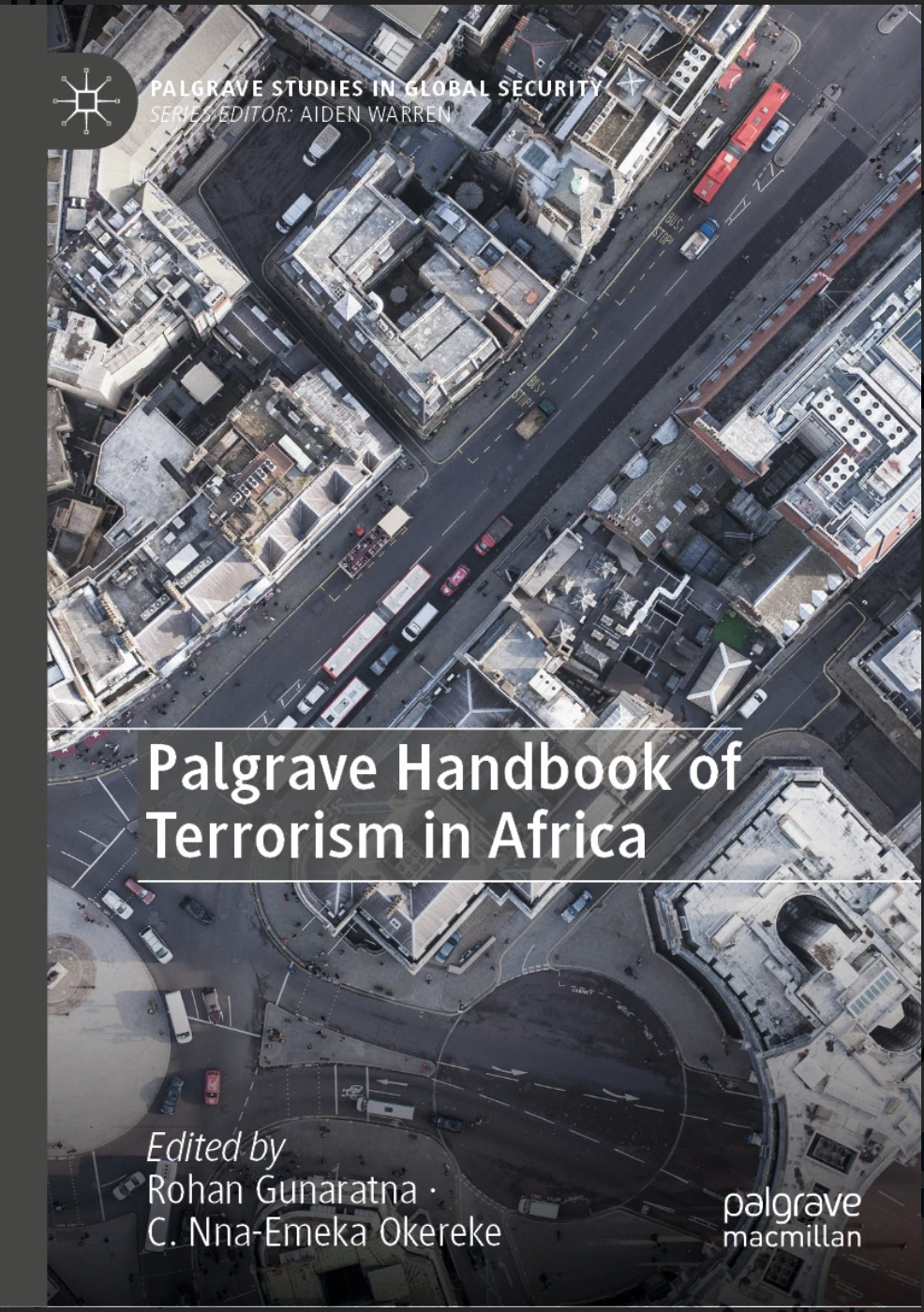
- Rohan Gunaratna and C. Nna-Emeka Okereke, Palgrave Handbook of Terrorism in Africa, Palgrave Studies in Global Security., 2025, https://doi.org/10.1007/978-3-031-89940-9.
About The Author:

Like what you read?
Please consider supporting Eurasia Review. Thank you for your consideration!

The publication of the Palgrave Handbook of Terrorism in Africa, is timely, and provides a rich background of Africa’s experience of the terrorist threat. The contributions of the regional and country-based experts provide policy makers, scholars and counterterrorism strategists with robust details that could guide effective counterterrorism and counter insurgency engagements. Coming at a time when Africa has emerged the centre of gravity or new epicentre of global terrorism, it raises concerns on why the myriads of counterterrorism engagements involving national, regional, continental and international actors has proved deficient in exorcisng the scourge of terrorism in Africa. This concern therefore forms the thrust of the next project.