
A New Framework For Progress: Restructuring Pakistan’s Provinces For Effective Governance – OpEd
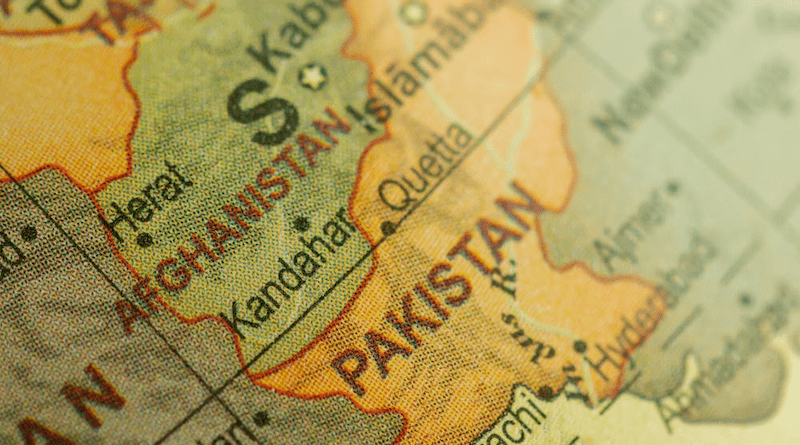
Pakistan, a country rich in cultural diversity and ethnic plurality, faces significant governance challenges that stem from its current provincial structure. With a population exceeding 240 million, the nation is divided into four primary provinces: Punjab, Sindh, Khyber Pakhtunkhwa (KP), and Balochistan, alongside two autonomous territories, Azad Kashmir and Gilgit-Baltistan. This arrangement, rooted in historical context, has become increasingly inadequate for addressing the administrative and developmental needs of its citizens. Restructuring Pakistan’s provinces based on administrative considerations could significantly enhance governance, improve representation, and foster development, creating a more effective and inclusive political landscape.
Pakistan’s demographic landscape is characterized by a multitude of ethnic groups, including Punjabis, Sindhis, Pashtuns, Baloch, and Mohajirs, each with unique cultural identities and political aspirations. The existing provincial boundaries often fail to reflect this diversity, resulting in feelings of marginalization among smaller ethnic groups. For instance, Balochistan, despite being the largest province by area, has historically been underrepresented in terms of political and economic power. By restructuring provinces to better align with demographic realities, Pakistan could mitigate ethnic tensions and promote a sense of belonging among its diverse populations.
The current size of the provinces, particularly Punjab, which houses over 110 million people, creates challenges in governance and service delivery. The sheer scale can lead to bureaucratic inefficiencies, hindering effective governance. Smaller administrative units would allow for more localized governance, enabling authorities to address specific regional needs more effectively. For example, smaller provinces could streamline processes and enhance the responsiveness of local administrations to citizen concerns.
Pakistan’s developmental disparities are glaringly evident across its provinces. Balochistan, despite its wealth of natural resources, suffers from poor infrastructure and inadequate public services. The existing provincial structure often leads to unequal resource allocation, with wealthier provinces receiving disproportionate attention and funding. By creating smaller provinces or administrative units, resources could be distributed more equitably, allowing for targeted investments in underdeveloped areas and fostering balanced regional growth.
One of the most significant advantages of restructuring is the potential for improved governance. Decentralization empowers local governments to make decisions that reflect the unique needs of their communities. Smaller provinces would foster more direct accountability between elected officials and their constituents. This localized governance model encourages civic engagement, as citizens are more likely to participate in decision-making processes that directly affect their lives. For instance, in a smaller province, local representatives can be more attuned to the challenges faced by their communities, resulting in policies that are more responsive and effective.
The current political landscape often leaves smaller ethnic groups feeling underrepresented within larger provinces. Restructuring provinces could lead to a more equitable political representation, ensuring that diverse voices are heard in legislative assemblies. For example, creating provinces based on ethnic or cultural identities could allow for greater participation from marginalized communities, thereby fostering political stability and social cohesion. Enhanced representation would not only empower local populations but also contribute to national unity by addressing grievances and promoting inclusivity.
Restructuring administrative boundaries can lead to targeted economic development strategies. Each newly formed province could develop policies that reflect its unique economic potential and resource base. For example, while Balochistan is rich in minerals and energy resources, its development has been stifled by a lack of investment and infrastructure. A restructured province could focus on leveraging these resources for local economic growth, attracting investment and creating jobs. This approach would encourage a more balanced economic landscape across the country, reducing regional disparities and fostering sustainable development.
Social cohesion is vital for national stability. By restructuring provinces to better represent ethnic and cultural identities, Pakistan can promote a sense of belonging among its citizens. This can reduce feelings of alienation and discontent, which have historically fueled conflict and unrest. When individuals feel that their identity is acknowledged and respected within the political framework, it fosters trust in government institutions and encourages civic participation.
While the benefits of restructuring Pakistan’s provinces are substantial, several challenges must be addressed to ensure a successful transition.
Any proposal to restructure provinces is likely to encounter political resistance from established power structures. Political leaders may fear losing influence or control over their constituencies. Overcoming this resistance will require strong leadership and a commitment to inclusive dialogue. Engaging stakeholders—political leaders, civil society organizations, and community representatives—in discussions about restructuring can help build consensus and address concerns.
The creation of new provinces necessitates a reevaluation of resource allocation. Concerns may arise regarding the financial viability of newly formed provinces. To address this, the federal government must ensure that new administrative units receive adequate funding and resources to establish effective governance structures. Implementing transitional support measures can help new provinces overcome initial challenges and foster sustainable development.
Establishing new administrative units requires significant investment in capacity building. This includes training personnel, creating bureaucratic frameworks, and developing local governance models. The federal government must prioritize these efforts to ensure that new provinces can operate effectively and meet the needs of their citizens. Partnerships with civil society and international organizations can provide valuable expertise and resources for capacity building.
Examining international examples of administrative restructuring can provide valuable insights for Pakistan. Countries such as India and Nigeria have successfully navigated similar challenges and implemented reforms that improved governance and representation.
India’s federal system allows for a high degree of autonomy among states, enabling localized governance that caters to diverse populations. States like Jharkhand and Chhattisgarh were created in response to regional demands for representation and governance. These states have since focused on addressing the unique needs of their populations, resulting in improved service delivery and economic development.
Nigeria has restructured its federal divisions multiple times since independence to better reflect its ethnic diversity. The creation of new states has often led to increased political representation and more effective governance. For example, the establishment of states like Ekiti and Osun addressed regional demands for better governance, resulting in enhanced service delivery and development.
Restructuring Pakistan’s provinces based on administrative considerations presents a transformative opportunity to enhance governance, representation, and development. By recognizing the country’s demographic diversity and promoting localized governance, Pakistan can address long-standing issues of inequality and underdevelopment. While challenges exist, the potential benefits of such a restructuring are significant. Through careful planning, inclusive dialogue, and commitment from political leaders, Pakistan can create a more equitable and efficient governance structure that better serves its people. The time for this transformation is now, as the nation seeks to overcome its challenges and embrace a future of prosperity, inclusivity, and national unity.

Like what you read?
Please consider supporting Eurasia Review. Thank you for your consideration!
