
Pakistan’s Rising Terror Concerns: The Cost Of Reconciliation Policies – OpEd
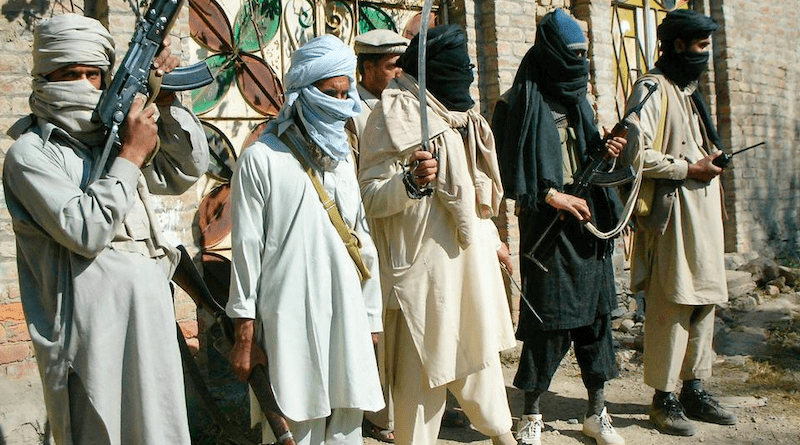
Since his rise in political prominence, Imran Khan has advocated a policy of reconciliation toward various Taliban-linked groups, including the Tehrik-i-Taliban Pakistan (TTP). This stance has sparked considerable debate within Pakistan, as his support for peace talks and reintegration policies for militants has not yielded the intended results. Instead, it has arguably emboldened terrorist factions, contributing to a disturbing increase in attacks across the country.
Imran Khan has long held that dialogue with the TTP and other militant groups could bring stability to Pakistan. Citing the futility of protracted military confrontations, Khan promoted the idea of reintegrating “misguided Muslims” into Pakistani society through negotiated settlements. He argued that addressing the grievances of these groups would reduce domestic unrest, a stance that resonated with many Pakistanis initially hopeful for an end to years of violent conflict. However, Khan’s calls for negotiation and appeasement were met with skepticism from security analysts who argued that terrorist groups, driven by rigid ideologies, would not abandon their tactics or goals. Yet, Khan persisted in promoting peace deals, believing that a conciliatory approach would yield long-term dividends. Unfortunately, this strategy seems to have backfired, as evidenced by the TTP’s refusal to disarm and the resurgence of terrorist activity across Pakistan.
In recent years, the TTP has intensified its activities, targeting both security personnel and civilians in numerous provinces, including Khyber Pakhtunkhwa and Balochistan. The U.S. withdrawal from Afghanistan in 2021 and the subsequent Taliban takeover have emboldened the TTP, which reportedly views Khan’s policies as an opportunity to reassert its influence in Pakistan. Data from the Pakistan Institute for Peace Studies (PIPS) reveals a 51% increase in terrorist attacks in 2023 compared to the previous year. This surge is particularly alarming given Khan’s earlier efforts to negotiate with the TTP in hopes of achieving stability. Notably, experts argue that such leniency has led to a situation where extremist groups feel empowered to operate with greater audacity, undeterred by the threat of punitive measures.
The resurgence of terrorist activity is more than a domestic issue; it poses severe risks for Pakistan’s national security and its relationships with neighboring countries. India, Iran, and Afghanistan have all expressed concerns over the presence of terrorist groups that operate with relative impunity along Pakistan’s borders. These groups, including the TTP, not only target Pakistani citizens but also conduct cross-border operations that threaten regional stability.
Moreover, the lenient policies have led to scrutiny from international stakeholders, as Pakistan’s commitment to counter-terrorism has been questioned. The Financial Action Task Force (FATF), which monitors countries for compliance with anti-terrorism financing regulations, has already flagged Pakistan several times. Continued attacks and perceived government leniency could lead to further sanctions and restrictions that might harm Pakistan’s economy and international standing. Beyond international scrutiny, Khan’s policy has also raised concerns domestically. Many Pakistanis, particularly those in terror-prone areas, feel betrayed by a government that seems willing to negotiate with groups responsible for devastating attacks on their communities. Families who have lost loved ones to terrorist violence have expressed frustration with policies they see as an affront to the sacrifices of Pakistan’s military and security forces.
Khan’s appeasement approach also risks destabilizing the political landscape by allowing extremist groups to exercise leverage over government decisions. This creates an environment in which terrorist groups can exert influence without consequence, thereby undermining the authority of the state and creating potential rifts within Pakistan’s military and civilian leadership.
History provides ample evidence that appeasement policies toward extremist groups seldom lead to long-term peace. Numerous peace deals have been attempted with the TTP over the past two decades, often resulting in temporary cessations of hostilities followed by renewed violence. Previous agreements, such as the 2009 Swat Valley accord, ended in failure as militants took advantage of the ceasefire to regroup and rearm, ultimately intensifying their attacks on Pakistani territory.
Imran Khan’s policy of reconciliation with the TTP, though well-intentioned, appears to have emboldened terrorist groups and compromised Pakistan’s national security. With a marked increase in terrorist attacks and growing international scrutiny, Pakistan must reassess its approach. Moving forward, the state would benefit from a strategy that prioritizes containment and enforcement over appeasement. Only by maintaining a firm stance against terrorism can Pakistan hope to restore stability, protect its citizens, and reinforce its commitment to a peaceful and secure future.

Like what you read?
Please consider supporting Eurasia Review. Thank you for your consideration!
