
UAE Money, Pakistani Tracks – OpEd
Pakistan and the United Arab Emirates just struck a deal that feels like it could reshape more than just a small stretch of railway. DP World, the Dubai-based port operator, is putting $400 million into a freight corridor between Karachi Port and Pipri Marshalling Yard. On paper, it’s only 50 kilometres of double-track railway. In practice, it cuts to the heart of Pakistan’s trade headaches, Karachi’s suffocating congestion, and the country’s struggle to modernize its railways.
Anyone who’s been through Karachi knows the chaos around the port. Trucks crawl bumper to bumper, goods sit for hours, and the city’s roads take a beating. Karachi handles over half of Pakistan’s trade, yet the infrastructure supporting it has barely kept up. The idea of moving containers by rail instead of clogging highways is almost common sense, but it’s taken decades to get here. If this line works the way it’s being pitched, it could relieve one of the city’s most chronic bottlenecks.
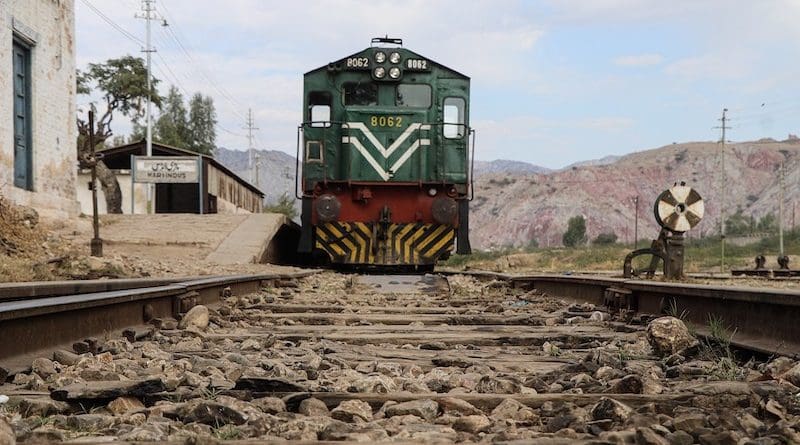
For Pakistan Railways, which has been limping along for years, this project could be a shot of adrenaline. The system is underfunded, unreliable, and often overshadowed by the trucking industry. A dedicated, modern freight corridor funded by a global operator signals a different way of doing things. The government is already talking about higher revenues from freight charges and access fees. That might finally put the railways in a position where they’re not just surviving but adding value to the economy.
The regional angle is important too. Pakistan doesn’t just want smoother trade for itself. It wants to be a player in moving goods to Central Asia and beyond. A recent cargo run from Karachi to Tajikistan took only 16 days, which showed the potential when things click. This corridor, plus the broader $3 billion UAE-Pakistan cooperation framework in logistics, is part of that bigger vision. For the UAE, it’s also a way to make sure Dubai’s ports and logistics networks remain central as new trade routes develop.
That doesn’t mean there aren’t risks. Big infrastructure projects in Pakistan often get tangled up in land disputes, mismanagement, or political drama. There’s also the question of control. Some people will welcome DP World’s involvement as a sign of modernization. Others will worry about a foreign company running such a critical piece of the country’s infrastructure. Those concerns aren’t baseless, and how they’re handled will shape public opinion.
Still, the immediate benefits are hard to ignore. Karachi is choking on its own traffic, and this line could be the relief valve the city desperately needs. Trucks may never disappear, but shifting even a chunk of freight to rail would cut congestion, lower costs, and maybe even weaken the grip of trucking cartels that have long dominated the market. For exporters, that means fewer delays and a chance to be a bit more competitive internationally.
Pakistan’s leadership keeps talking about export-led growth. That’s not possible without fixing logistics. Policies and trade agreements matter, but if goods are stuck for days just leaving the port, nothing else counts. If the Karachi-Pipri corridor runs smoothly, it could prove why rail freight deserves more attention and investment.
For DP World and the UAE, this is also about planting a flag. They’re not just investing in Pakistan; they’re weaving themselves into its supply chains. It’s a smart strategic move, especially at a time when China and other players are also looking at regional connectivity projects.
Cautious optimism feels like the right note here. Infrastructure alone won’t fix the deeper problems of governance and regulation. Pakistan will need to ensure transparency, proper maintenance, and long-term planning so the project doesn’t just shine for a couple of years before breaking down. But there’s something pragmatic about this arrangement. Instead of waiting for government funds or loans that may never arrive, Pakistan is letting a major operator put up the money and take the risk.
Is it a turning point? Maybe. It’s not going to solve every problem, but it’s a meaningful step toward modernizing a system that desperately needs it. If Pakistan can build on this and replicate similar freight corridors elsewhere, the benefits could be huge. For now, though, this 50-kilometer stretch between Karachi and Pipri feels like a small but significant sign of progress in a place that could really use it.

Like what you read?
Please consider supporting Eurasia Review. Thank you for your consideration!
