
Kazakh Trade Sets Sail Via Pakistani Ports – OpEd
Pakistan and Kazakhstan are moving toward a new chapter in regional cooperation as both countries explore opportunities to turn Pakistani ports into vital transit hubs for Central Asia.
The initiative gained momentum following a meeting between Pakistan’s Minister for Maritime Affairs, Muhammad Junaid Anwar Chaudhry, and Kazakhstan’s Ambassador to Pakistan, Yerzhan Kistafin, where discussions focused on joint ventures at Karachi and Gwadar ports.
During the meeting, Minister Chaudhry underscored the strategic value of Pakistan’s ports, noting that Karachi and Gwadar serve as natural gateways for landlocked Central Asian states. He highlighted that Pakistan’s unique geographical position allows it to provide Kazakhstan with efficient access not only to regional markets but also to the Gulf, Africa, and broader Asian economies. “Our ports can play a decisive role in fostering connectivity and trade, particularly for Kazakhstan,” he stressed.
Ambassador Kistafin welcomed the proposal, expressing Kazakhstan’s strong interest in utilizing Pakistani ports as part of its long-term vision for diversified trade routes. With Kazakhstan seeking to strengthen its connectivity options beyond traditional corridors, Pakistani ports offer a shorter, cost-effective passage to warm waters. This cooperation, the envoy noted, could transform regional trade dynamics and bring lasting economic benefits to both nations.
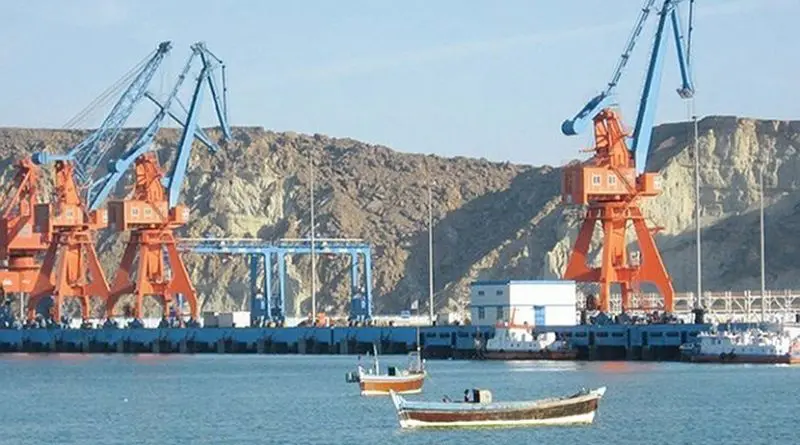
One of the focal points of the talks was Gwadar Port, which is already gaining traction as a major hub under the China-Pakistan Economic Corridor (CPEC). Pakistani officials offered Kazakhstan the opportunity to explore Gwadar’s free zones for joint economic ventures, providing incentives for logistics companies, shipping firms, and related industries. In addition, Gwadar Port is expected to be powered by solar energy soon, reinforcing its image as a modern and sustainable maritime hub.
Both sides also agreed to expand cooperation in the broader maritime and “blue economy” sectors. This includes exploring opportunities in shipping services, port logistics, renewable energy, and technology-driven trade facilitation. By integrating Kazakhstan into its maritime strategy, Pakistan aims to cement its role as a regional hub for trade and transit, while Kazakhstan seeks to broaden its commercial outreach to southern markets.
Looking ahead, the discussions are set to accelerate with a planned visit of a ministerial-level Kazakh delegation to Pakistan. The delegation is expected to hold in-depth talks with Pakistani counterparts to outline frameworks for collaboration, ranging from infrastructure development and customs facilitation to joint ventures in logistics and transport services. Officials on both sides believe that the upcoming visit will be a critical step in translating proposals into actionable projects.
For Pakistan, the potential partnership underscores its vision of turning its maritime assets into engines of regional connectivity. For Kazakhstan, it represents an opportunity to diversify trade routes and reduce reliance on traditional northern corridors. The synergy between the two countries could help reshape Central and South Asian trade flows, with far-reaching implications for regional stability and growth.
As Pakistan and Kazakhstan prepare for ministerial-level talks, both nations appear determined to leverage geography, infrastructure, and mutual goodwill to forge a partnership that could redefine trade across the heart of Eurasia.

Like what you read?
Please consider supporting Eurasia Review. Thank you for your consideration!
