
Somalia: A National Reconciliation The Only Way Out (Part III)
Peace is an expensive commodity. Many people do not appreciate it and only those who have been exposed to where there is no peace would probably understand a little bit on the significance of peace. Peace is really life itself, without which there is no joy, only sadness, death sometimes slow and painful, hunger and excruciating emotional pains, no shelter, not even a simple laugh or smile. Many in Africa and other parts of the world are exposed to no peace, wars and conflicts. One can ask the Vietnamese, the Cambodians, the Bosnians, the South Sudanese, the Central Africans, the Ukrainians, and many others.
When writing on reconciliation and more specifically a national reconciliation in a country, one cannot ignore the fact that there is no peace in that country or region and that there is war and conflict and people drifting apart, which mostly hurts children, mothers, the vulnerable, and the weak. Perhaps one could then recall what Fyodor Dostoevsky philosophized: “[A] human being living on the surface of the earth has no right to turn away and ignore what is happening on earth, and there are higher moral imperatives for this.” – “How should Dostoevsky and Tolstoy be read during Russia’s war against Ukraine? Published: April 6, 2022, in the Conversation.”
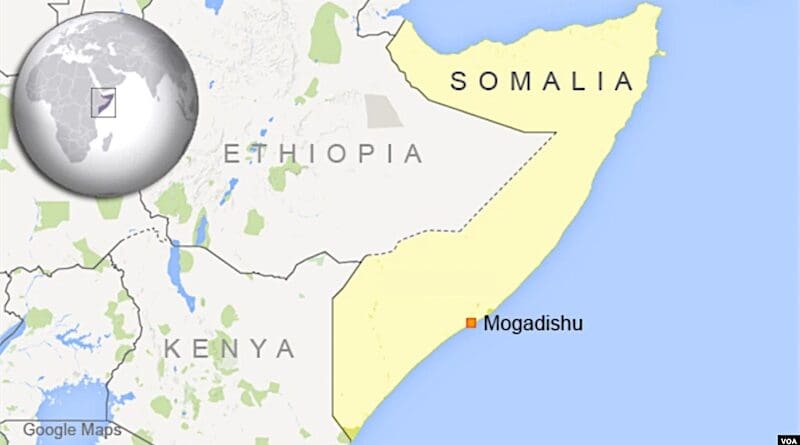
And Somalia is one of those places where there was no peace over the past forty years, which has caused many of its people to migrate to different parts of the world. They live today in over 74% of the members of the United Nations Organization and those left behind are still exposed to the heinous crimes of senseless clan politicians, religious terrorists, unreasonable neighbors, self-serving foreign countries, mercenaries and arms smugglers and the like.
Peacebuilding or peacemaking, whichever, one would choose for the country, is therefore still a necessity in Somalia and hence the writing on the matter here. Foreign mediators have been involved in the peacebuilding process and even in its peacemaking, but peace and stability have not been achieved yet and the country remains divided into clan enclaves given modern names of fancy nomencaltures and people cannot enjoy the simple act of seeking jobs and other trades in government offices across the country. The clan cantonments stand in the way and even the very capital of the country is claimed by an ethnic clan: “Unukaa iska leh” or “It is ours” is an expression commonly heard in the Somali social media.
If the third parties have failed in their “peacebuilding process” in the country, then perhaps, it is time it went local, the way of old, the way of Somalia’s ancestors and the Somali Xeer or traditional law on peacebuilding and peacemaking. When there is no trust among the clan politicians, it is not only necessary but a must to go to the traditional elders who enjoy the following:
- They live within the conflict zones and are themselves exposed to the difficulties of a conflict. It is in their interest to make peace.
- They have authority over their clans and are generally respected by the community including their clans and other clans. Somali clans live in the same spaces and share many things.
- They are trusted for they would not generally do anything that would harm the community. It is respect not only for the living but also for the elders that passed away and for those of the future. They would not like their names to be remembered with infamy.
- They represent a local voice and communities respect when one or some of them, they know well, are involved in the final decision-making processes that would affect their lives.
Somali elders are knowledgeable about the Somali Xeer pronounced “Heer” or traditional laws and they apply it with great honesty. It is the laws of the land which defines its values and its rules of social behavior. Any transgression of these rules and values is subjected to compensations and punishments on aggressor parties to soothe relations and address the needs of victims. All Somalis understand and respect the traditional laws and would abide by them more than they would to foreign methods, which they do not understand or trust.
It is perhaps why the reconciliation processes held outside the country have failed while the locally organized ones have been successful. Somali elders are the custodians of the traditional laws and values and even currently most disputes and criminal cases in the country are handled through those traditional processes and not through the government judicial systems, which is generally considered by the people as corrupt and their decisions and rulings as untrustworthy.
The undermining of the role of traditional laws or the Xeer is mostly responsible for the failures of the peacebuilding processes in the country and hence the failure of the federal government, which only exists in name and Mogadishu only but does not really control or has no clout over the federal member states. The constitution is incomplete and is supposedly in process to be completed through the wishes and wants of one political group. There is a far cry and major opposition to the articles and clauses changed so far. There was no need to have a group of salaried and paid self-promoting appointees to initiate the constitutional reforms. They could have done better by employing a council of elders outside the current corrupt parliament from the different clans of the country from the far north to the far south to the east and to the west of the country.
The previous national dialogues held outside the country all failed including the latest one held in Kenya, which produced the current federal government structure, which has formally segregated and already divided the clannish Somali society giving it an authentic legal framework to act and behave as independent units acting outside the orbit of the center. It is this, that Somalis need to address with all honesty, in a local framework without the intervention of foreign parties including their finances.
It is the role of the federal government to organize such a national reconciliation process within the country. It cannot assume powers it does not possess for it would fail. It is perhaps time that the federal government learned from its mistakes of the past or those who came before it. There is also nothing that stops in the way for any genuine Somali elder groups to embark on their own to meet and create dialogues and reconciliation among all competing forces within the country, using their traditional roles as peacemakers and peacebuilders of the Somali society.
Key issues to raise and keep in mind should include the viability of current government structures and if they could be replaced and with what alternatives. Follow the next article for discussion on some of these issues.

Like what you read?
Please consider supporting Eurasia Review. Thank you for your consideration!
